
The future of sustainable agriculture in India depends on healthy soil, efficient water use, biodiversity protection, natural farming, responsible technology, strong FPOs, women empowerment, youth participation, climate resilience, and market-linked rural development.
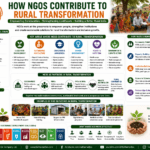
Read MoreNGOs contribute to rural transformation by mobilizing communities, building trust, supporting farmer institutions, empowering women, improving livelihoods, promoting sustainable agriculture, creating awareness, and connecting rural communities with schemes, finance, technology, and partnerships.
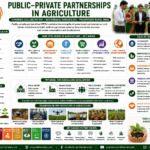
Read MorePublic-private partnerships in agriculture bring together government, private sector, FPOs, banks, research institutions, NGOs, and farmers to improve productivity, infrastructure, finance, technology, market access, sustainability, and rural livelihoods.
Read MoreCSR can support FPOs by strengthening farmer institutions through training, infrastructure, finance, farm machinery, digital tools, market linkages, value addition, women empowerment, soil health, and sustainable agriculture projects.
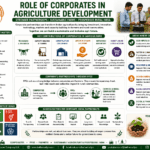
Read MoreCorporates can play an important role in agriculture development by supporting farmers with technology, infrastructure, finance, training, market access, value addition, climate action, women empowerment, and partnerships with FPOs.
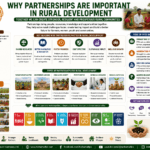
Read MorePartnerships are important in rural development because no single institution can solve rural challenges alone. FPOs, CSR organizations, NGOs, government departments, banks, buyers, and technology partners can work together to improve farmer income, women empowerment, sustainability, value addition, and rural livelihoods.
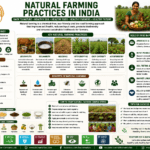
Read MoreNatural farming practices in India focus on healthy soil, low-cost cultivation, local resources, biodiversity, reduced chemical dependency, water conservation, and sustainable livelihoods for farmers.
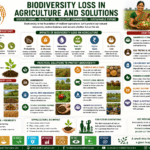
Read MoreBiodiversity loss in agriculture affects soil health, pollination, crop resilience, farmer income, nutrition, and long-term sustainability. This blog explains the causes, impacts, and practical solutions through diversified farming, agroforestry, natural farming, native seeds, water conservation, and FPO-led action.
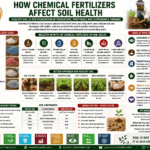
Read MoreChemical fertilizers can increase crop yield when used properly, but excessive and unbalanced use can affect soil health by reducing organic matter, disturbing soil microbes, creating nutrient imbalance, changing soil pH, and lowering long-term productivity.
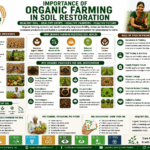
Read MoreOrganic farming plays an important role in soil restoration by improving organic matter, soil structure, microbial activity, water retention, nutrient balance, biodiversity, and long-term agricultural sustainability.
Read More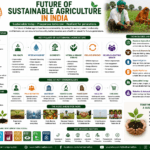

Recent Comments