Soil health challenges in Indian agriculture are affecting productivity, farmer income, food security, and sustainability. This blog explains major soil problems and practical solutions through soil testing, organic matter, balanced nutrition, water management, natural farming, and FPO-led awareness.
Read MoreWomen-led farming models in India are transforming rural development by improving income, strengthening food security, promoting sustainable agriculture, creating rural enterprises, and empowering women through FPOs, SHGs, training, finance, and market linkages.
Read MoreGender equality in rural India is essential for sustainable development. This blog explains the challenges faced by rural women and practical solutions through education, finance, skills, FPO participation, leadership, market access, and community support.
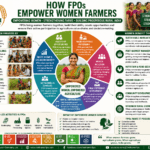
Read MoreFPOs empower women farmers by giving them collective strength, training, access to finance, better inputs, farm machinery, market linkages, value addition opportunities, leadership roles, and participation in sustainable rural development.
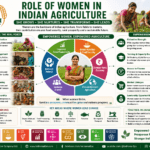
Read MoreWomen play a central role in Indian agriculture through field work, livestock management, seed preservation, post-harvest handling, value addition, processing, marketing, family nutrition, and rural livelihood development.
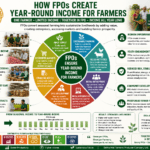
Read MoreFPOs create year-round income for farmers by converting seasonal agriculture into a stronger rural livelihood system through input services, market linkage, value addition, agro-processing, storage, allied activities, women participation, and local enterprise development.
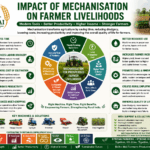
Read MoreMechanisation improves farmer livelihoods by saving time, reducing labour burden, lowering cultivation costs, improving productivity, supporting timely farm operations, creating rural jobs, and helping small farmers access modern agricultural machinery through FPOs.
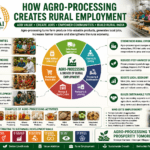
Read MoreAgro-processing creates rural employment by converting farm produce into value-added products, generating jobs in cleaning, grading, processing, packaging, storage, logistics, quality control, marketing, and rural enterprise development.
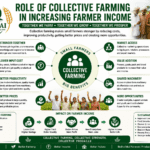
Read MoreCollective farming helps small farmers increase income by reducing input costs, improving productivity, sharing machinery, accessing better markets, creating value addition, and building stronger farmer-led institutions.
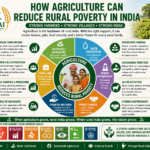
Read MoreAgriculture can reduce rural poverty in India when farmers receive better income, lower input costs, access to markets, value addition opportunities, rural employment, women participation, sustainable farming practices, and strong institutional support.
Read More
Recent Comments