कृषि का कार्बन पदचिह्न सरल भाषा में समझें
Introduction / परिचय
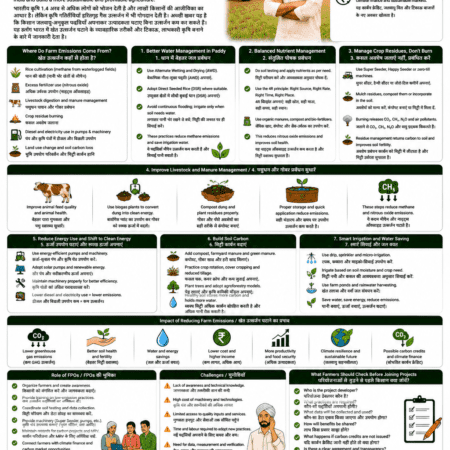
Carbon footprint of agriculture explained is an important topic for farmers, FPOs, agribusinesses and policymakers because agriculture is both affected by climate change and also contributes to greenhouse gas emissions. Agriculture produces food, fibre and livelihood, but farming activities such as rice cultivation, fertilizer use, livestock management, fuel use, irrigation, land-use change and crop residue burning can release greenhouse gases. Understanding the carbon footprint of agriculture helps farmers identify where emissions come from and how they can be reduced through better farming practices.
कृषि का कार्बन पदचिह्न सरल भाषा में समझना किसानों, किसान उत्पादक संगठनों, कृषि व्यवसायों और नीति निर्माताओं के लिए महत्वपूर्ण है, क्योंकि कृषि जलवायु परिवर्तन से प्रभावित भी होती है और हरितगृह गैस उत्सर्जन में योगदान भी करती है। कृषि भोजन, रेशा और आजीविका प्रदान करती है, लेकिन धान खेती, उर्वरक उपयोग, पशुधन प्रबंधन, ईंधन उपयोग, सिंचाई, भूमि उपयोग परिवर्तन और फसल अवशेष जलाने जैसी गतिविधियों से हरितगृह गैसें निकल सकती हैं। कृषि के कार्बन पदचिह्न को समझने से किसानों को यह पहचानने में मदद मिलती है कि उत्सर्जन कहाँ से हो रहा है और बेहतर कृषि पद्धतियों से उसे कैसे घटाया जा सकता है।
The topic Carbon footprint of agriculture explained is also important for carbon farming and climate finance. When farmers and FPOs understand the carbon footprint of agriculture, they can adopt low-emission practices such as Direct Seeded Rice, Super Seeder, residue management, soil testing, composting, bio-inputs, agroforestry, tree plantation, water-saving irrigation and balanced nutrient management. These practices can reduce emissions, improve soil health and support future carbon credit opportunities if properly measured and verified.
कृषि का कार्बन पदचिह्न सरल भाषा में समझना कार्बन खेती और जलवायु वित्त के लिए भी महत्वपूर्ण है। जब किसान और किसान उत्पादक संगठन कृषि के कार्बन पदचिह्न को समझते हैं, तो वे सीधी बुवाई धान, सुपर सीडर, फसल अवशेष प्रबंधन, मिट्टी परीक्षण, कंपोस्ट, जैविक कृषि सामग्री, कृषि वानिकी, वृक्षारोपण, जल बचत सिंचाई और संतुलित पोषक प्रबंधन जैसी कम उत्सर्जन वाली पद्धतियाँ अपना सकते हैं। ये पद्धतियाँ उत्सर्जन घटा सकती हैं, मिट्टी स्वास्थ्य सुधार सकती हैं और सही मापन तथा सत्यापन होने पर भविष्य के कार्बन क्रेडिट अवसरों को सहारा दे सकती हैं।
What is Carbon Footprint of Agriculture? / कृषि का कार्बन पदचिह्न क्या है?
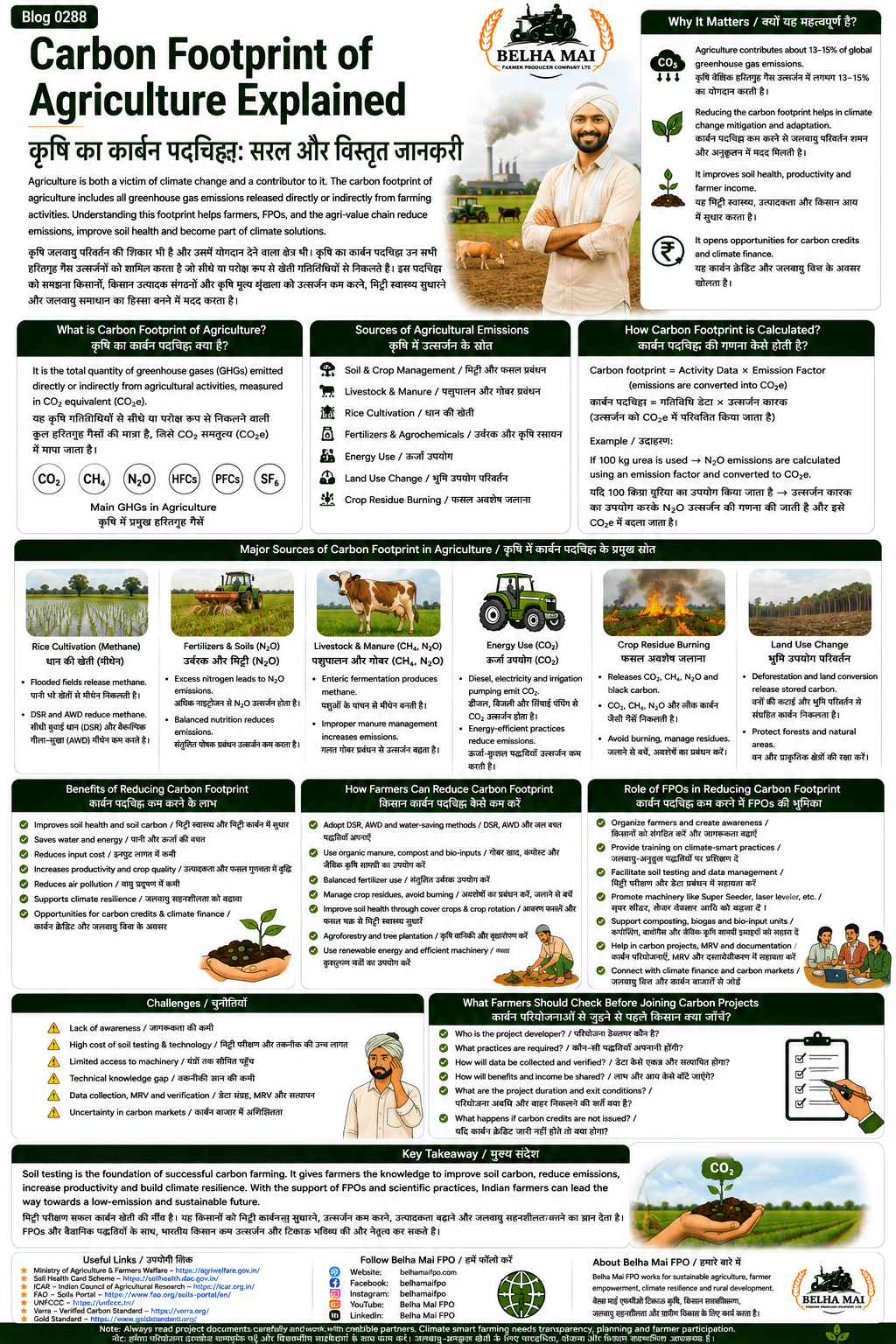
Carbon footprint of agriculture means the total amount of greenhouse gases released directly or indirectly from farming activities. These gases are measured in carbon dioxide equivalent so that different gases such as carbon dioxide, methane and nitrous oxide can be compared in one common unit. In simple words, it shows how much climate impact is created by producing crops, raising livestock and managing farms.
कृषि का कार्बन पदचिह्न खेती से जुड़ी गतिविधियों से प्रत्यक्ष या अप्रत्यक्ष रूप से निकलने वाली हरितगृह गैसों की कुल मात्रा को दर्शाता है। इन गैसों को कार्बन डाइऑक्साइड समतुल्य में मापा जाता है, ताकि कार्बन डाइऑक्साइड, मीथेन और नाइट्रस ऑक्साइड जैसी अलग-अलग गैसों की तुलना एक समान इकाई में की जा सके। सरल शब्दों में, यह बताता है कि फसल उत्पादन, पशुपालन और खेत प्रबंधन से जलवायु पर कितना प्रभाव पड़ता है।
In Carbon footprint of agriculture explained, farmers should understand that carbon footprint is not only about smoke or fuel. It includes many hidden sources such as excess fertilizer use, flooded paddy fields, poor manure management, crop residue burning, irrigation pumping, machinery use and loss of soil carbon. Once these sources are understood, farmers can reduce emissions without reducing production.
कृषि का कार्बन पदचिह्न सरल भाषा में समझने में किसानों को यह जानना चाहिए कि कार्बन पदचिह्न केवल धुएँ या ईंधन से जुड़ा नहीं है। इसमें अधिक उर्वरक उपयोग, पानी भरे धान खेत, कमजोर गोबर प्रबंधन, फसल अवशेष जलाना, सिंचाई पंपिंग, कृषि यंत्र उपयोग और मिट्टी कार्बन की कमी जैसे कई छिपे हुए स्रोत शामिल हैं। जब इन स्रोतों को समझ लिया जाता है, तो किसान उत्पादन घटाए बिना उत्सर्जन कम कर सकते हैं।
Main Greenhouse Gases in Agriculture / कृषि में प्रमुख हरितगृह गैसें
The first important gas is carbon dioxide. It is released from diesel use, electricity use, machinery operation, land-use change, deforestation and burning of biomass. Carbon dioxide is the most commonly discussed greenhouse gas and is used as the reference unit for calculating carbon footprint.
पहली महत्वपूर्ण गैस कार्बन डाइऑक्साइड है। यह डीजल उपयोग, बिजली उपयोग, कृषि यंत्र संचालन, भूमि उपयोग परिवर्तन, वनों की कटाई और जैवभार जलाने से निकलती है। कार्बन डाइऑक्साइड सबसे अधिक चर्चा की जाने वाली हरितगृह गैस है और कार्बन पदचिह्न की गणना में इसे आधार इकाई के रूप में उपयोग किया जाता है।
The second important gas is methane. Methane is released from flooded rice fields, livestock digestion and manure management. The third important gas is nitrous oxide. Nitrous oxide is released mainly from nitrogen fertilizer use, manure application and soil nitrogen processes. In Carbon footprint of agriculture explained, these three gases are the most important to understand.
दूसरी महत्वपूर्ण गैस मीथेन है। मीथेन पानी भरे धान खेतों, पशुओं के पाचन और गोबर प्रबंधन से निकलती है। तीसरी महत्वपूर्ण गैस नाइट्रस ऑक्साइड है। नाइट्रस ऑक्साइड मुख्य रूप से नाइट्रोजन उर्वरक उपयोग, गोबर डालने और मिट्टी में नाइट्रोजन प्रक्रियाओं से निकलती है। कृषि का कार्बन पदचिह्न सरल भाषा में समझने में इन तीन गैसों को समझना सबसे महत्वपूर्ण है।
Major Sources of Carbon Footprint in Agriculture / कृषि में कार्बन पदचिह्न के प्रमुख स्रोत
Rice cultivation is one of the important sources of agricultural emissions because flooded paddy fields can produce methane. When soil remains under standing water for a long period, oxygen availability reduces and methane-producing microbes become active. Better water management, Direct Seeded Rice and alternate wetting and drying can help reduce this emission.
धान खेती कृषि उत्सर्जन का एक महत्वपूर्ण स्रोत है, क्योंकि पानी भरे धान खेतों से मीथेन बन सकती है। जब मिट्टी लंबे समय तक पानी में डूबी रहती है, तो ऑक्सीजन की उपलब्धता कम हो जाती है और मीथेन बनाने वाले सूक्ष्मजीव सक्रिय हो जाते हैं। बेहतर जल प्रबंधन, सीधी बुवाई धान और वैकल्पिक गीला-सूखा पद्धति इस उत्सर्जन को कम करने में मदद कर सकती हैं।
Fertilizer use is another major source. When nitrogen fertilizer is used excessively or inefficiently, nitrous oxide emissions can increase. Balanced fertilizer use, soil testing, split application, organic matter management and better nutrient planning can reduce nutrient loss and emissions.
उर्वरक उपयोग एक और प्रमुख स्रोत है। जब नाइट्रोजन उर्वरक का अत्यधिक या अकुशल उपयोग किया जाता है, तो नाइट्रस ऑक्साइड उत्सर्जन बढ़ सकता है। संतुलित उर्वरक उपयोग, मिट्टी परीक्षण, विभाजित मात्रा में उपयोग, जैविक पदार्थ प्रबंधन और बेहतर पोषक योजना पोषक तत्व हानि और उत्सर्जन कम कर सकते हैं।
Livestock and manure management also contribute to the carbon footprint of agriculture. Methane is released during digestion in ruminant animals, and both methane and nitrous oxide can be released from poorly managed manure. Better feed management, improved animal health, composting and biogas systems can reduce emissions.
पशुधन और गोबर प्रबंधन भी कृषि के कार्बन पदचिह्न में योगदान करते हैं। जुगाली करने वाले पशुओं के पाचन से मीथेन निकलती है और कमजोर गोबर प्रबंधन से मीथेन तथा नाइट्रस ऑक्साइड दोनों निकल सकते हैं। बेहतर चारा प्रबंधन, पशु स्वास्थ्य सुधार, कंपोस्ट और बायोगैस व्यवस्था उत्सर्जन घटा सकते हैं।
Energy use in agriculture includes diesel pumps, tractors, harvesters, irrigation pumps, processing units and storage systems. If energy is used inefficiently, farm carbon footprint increases. Efficient irrigation, solar pumps, better machinery use and timely operations can reduce energy-related emissions.
कृषि में ऊर्जा उपयोग में डीजल पंप, ट्रैक्टर, हार्वेस्टर, सिंचाई पंप, प्रसंस्करण इकाइयाँ और भंडारण व्यवस्था शामिल हैं। यदि ऊर्जा का अकुशल उपयोग होता है, तो खेत का कार्बन पदचिह्न बढ़ता है। कुशल सिंचाई, सौर पंप, बेहतर यंत्र उपयोग और समय पर कृषि कार्य ऊर्जा से जुड़े उत्सर्जन कम कर सकते हैं।
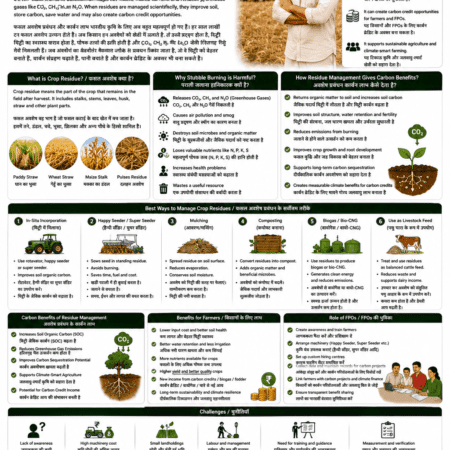
Crop residue burning is a visible and harmful source of agricultural emissions. It releases carbon dioxide, methane, nitrous oxide, smoke and particulate matter. Residue management through Super Seeder, Happy Seeder, mulching, composting, in-situ incorporation and biogas can reduce emissions and improve soil health.
फसल अवशेष जलाना कृषि उत्सर्जन का स्पष्ट और हानिकारक स्रोत है। इससे कार्बन डाइऑक्साइड, मीथेन, नाइट्रस ऑक्साइड, धुआँ और सूक्ष्म कण निकलते हैं। सुपर सीडर, हैप्पी सीडर, आच्छादन, कंपोस्ट, खेत में अवशेष मिलाने और बायोगैस के माध्यम से अवशेष प्रबंधन उत्सर्जन घटा सकता है और मिट्टी स्वास्थ्य सुधार सकता है।
Land-use change can also increase the carbon footprint of agriculture. When forests, grasslands or natural areas are converted into agricultural land, stored carbon may be released. Agroforestry, tree plantation, soil conservation and protection of natural ecosystems can help reduce this impact.
भूमि उपयोग परिवर्तन भी कृषि का कार्बन पदचिह्न बढ़ा सकता है। जब वन, घासभूमि या प्राकृतिक क्षेत्रों को कृषि भूमि में बदला जाता है, तो संग्रहित कार्बन मुक्त हो सकता है। कृषि वानिकी, वृक्षारोपण, मिट्टी संरक्षण और प्राकृतिक पारिस्थितिक तंत्र की रक्षा इस प्रभाव को कम कर सकती है।
How Carbon Footprint is Calculated / कार्बन पदचिह्न की गणना कैसे होती है
Carbon footprint is usually calculated by multiplying activity data with an emission factor. Activity data means the measurable farming activity, such as litres of diesel used, kilograms of fertilizer applied, area under paddy cultivation, number of livestock animals or amount of residue burned. Emission factor means the estimated emission released per unit of activity.
कार्बन पदचिह्न सामान्यतः गतिविधि आँकड़े को उत्सर्जन कारक से गुणा करके निकाला जाता है। गतिविधि आँकड़े का अर्थ है मापने योग्य कृषि गतिविधि, जैसे उपयोग किए गए डीजल की मात्रा, डाले गए उर्वरक की मात्रा, धान खेती का क्षेत्र, पशुओं की संख्या या जलाए गए अवशेष की मात्रा। उत्सर्जन कारक का अर्थ है प्रति इकाई गतिविधि से निकलने वाला अनुमानित उत्सर्जन।
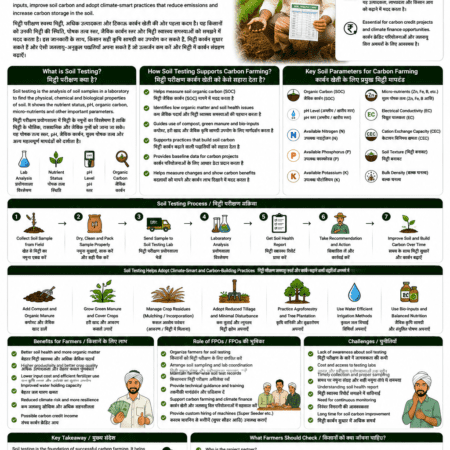
In Carbon footprint of agriculture explained, farmers do not need to calculate everything themselves. However, they should understand that carbon footprint is based on data. If a farmer or FPO wants to reduce emissions or join a carbon project, they must maintain records of inputs, fuel, irrigation, crop residue management, soil testing and farming practices.
कृषि का कार्बन पदचिह्न सरल भाषा में समझने में किसानों को हर गणना स्वयं करने की आवश्यकता नहीं है। फिर भी उन्हें यह समझना चाहिए कि कार्बन पदचिह्न आँकड़ों पर आधारित होता है। यदि किसान या किसान उत्पादक संगठन उत्सर्जन कम करना या कार्बन परियोजना से जुड़ना चाहते हैं, तो उन्हें कृषि सामग्री, ईंधन, सिंचाई, फसल अवशेष प्रबंधन, मिट्टी परीक्षण और खेती पद्धतियों के अभिलेख रखने होंगे।
Why Farmers Should Understand Carbon Footprint / किसानों को कार्बन पदचिह्न क्यों समझना चाहिए
Farmers should understand carbon footprint because it helps them identify cost-saving opportunities. Many emission sources are also cost sources. Excess fertilizer increases cost and emissions. Excess irrigation increases energy cost and emissions. Residue burning damages soil and wastes useful biomass. By reducing emissions, farmers can also reduce unnecessary expenses.
किसानों को कार्बन पदचिह्न समझना चाहिए क्योंकि यह लागत बचत के अवसर पहचानने में मदद करता है। कई उत्सर्जन स्रोत लागत के भी स्रोत होते हैं। अधिक उर्वरक लागत और उत्सर्जन दोनों बढ़ाता है। अधिक सिंचाई ऊर्जा लागत और उत्सर्जन दोनों बढ़ाती है। फसल अवशेष जलाना मिट्टी को नुकसान पहुँचाता है और उपयोगी जैवभार को बर्बाद करता है। उत्सर्जन घटाकर किसान अनावश्यक खर्च भी घटा सकते हैं।
Understanding Carbon footprint of agriculture explained also prepares farmers for future markets. Buyers, exporters, food companies and climate finance institutions may increasingly ask for sustainable production, traceability, low-emission practices and verified data. Farmers and FPOs who understand carbon footprint can be better prepared for these opportunities.
कृषि का कार्बन पदचिह्न सरल भाषा में समझना किसानों को भविष्य के बाज़ारों के लिए भी तैयार करता है। खरीदार, निर्यातक, खाद्य कंपनियाँ और जलवायु वित्त संस्थाएँ टिकाऊ उत्पादन, पता लगाने योग्य आपूर्ति, कम उत्सर्जन पद्धतियाँ और सत्यापित आँकड़े मांग सकती हैं। जो किसान और किसान उत्पादक संगठन कार्बन पदचिह्न समझते हैं, वे इन अवसरों के लिए बेहतर तैयार हो सकते हैं।
How Farmers Can Reduce Carbon Footprint / किसान कार्बन पदचिह्न कैसे घटा सकते हैं
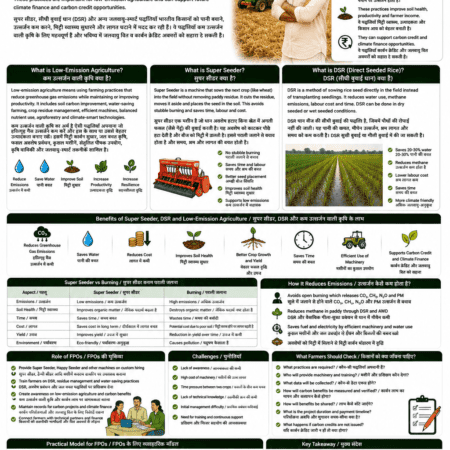
Farmers can reduce carbon footprint by adopting Direct Seeded Rice and better water management in paddy. Reducing continuous flooding can help lower methane emissions. Farmers can also use alternate wetting and drying where suitable, along with proper field monitoring and technical guidance.
किसान सीधी बुवाई धान और धान में बेहतर जल प्रबंधन अपनाकर कार्बन पदचिह्न घटा सकते हैं। लगातार पानी भरे रहने की स्थिति को कम करने से मीथेन उत्सर्जन घटाने में मदद मिल सकती है। जहाँ उपयुक्त हो, किसान सही खेत निगरानी और तकनीकी मार्गदर्शन के साथ वैकल्पिक गीला-सूखा पद्धति भी अपना सकते हैं।
Farmers can reduce fertilizer-related emissions through soil testing and balanced nutrient management. Instead of applying fertilizer by habit, farmers should apply nutrients according to soil need and crop requirement. Compost, green manure, bio-inputs and crop residues can also support soil health.
किसान मिट्टी परीक्षण और संतुलित पोषक प्रबंधन के माध्यम से उर्वरक से जुड़े उत्सर्जन घटा सकते हैं। आदत के आधार पर उर्वरक डालने के बजाय किसानों को मिट्टी की आवश्यकता और फसल की जरूरत के अनुसार पोषक तत्व देने चाहिए। कंपोस्ट, हरी खाद, जैविक कृषि सामग्री और फसल अवशेष भी मिट्टी स्वास्थ्य को सहारा दे सकते हैं।
Farmers can reduce emissions by avoiding crop residue burning. Residues can be used through Super Seeder, Happy Seeder, mulching, composting, biogas or soil incorporation. This reduces pollution and helps build soil organic carbon.
किसान फसल अवशेष जलाने से बचकर उत्सर्जन घटा सकते हैं। अवशेषों का उपयोग सुपर सीडर, हैप्पी सीडर, आच्छादन, कंपोस्ट, बायोगैस या मिट्टी में मिलाने के माध्यम से किया जा सकता है। इससे प्रदूषण घटता है और मिट्टी जैविक कार्बन बनाने में मदद मिलती है।
Farmers can reduce energy-related emissions through efficient irrigation, solar pumps, timely machinery use, proper maintenance and reduced unnecessary field operations. They can also adopt agroforestry and tree plantation to store carbon and improve microclimate.
किसान कुशल सिंचाई, सौर पंप, समय पर यंत्र उपयोग, सही रखरखाव और अनावश्यक खेत कार्यों में कमी के माध्यम से ऊर्जा से जुड़े उत्सर्जन घटा सकते हैं। वे कार्बन संग्रहण और सूक्ष्म जलवायु सुधार के लिए कृषि वानिकी और वृक्षारोपण भी अपना सकते हैं।
Benefits of Reducing Carbon Footprint / कार्बन पदचिह्न घटाने के लाभ
Reducing carbon footprint can improve soil health, reduce input cost, save water, reduce fuel use, improve productivity and increase climate resilience. It can also reduce air pollution and improve the long-term sustainability of farming systems.
कार्बन पदचिह्न घटाने से मिट्टी स्वास्थ्य सुधर सकता है, कृषि लागत कम हो सकती है, पानी बच सकता है, ईंधन उपयोग घट सकता है, उत्पादकता सुधर सकती है और जलवायु सहनशीलता बढ़ सकती है। इससे वायु प्रदूषण भी कम हो सकता है और खेती व्यवस्था की दीर्घकालिक टिकाऊपन बढ़ सकती है।
In Carbon footprint of agriculture explained, another important benefit is future access to carbon credits and climate finance. If emission reduction or carbon storage is properly measured, verified and certified, farmers may access possible carbon credit opportunities. However, carbon income should be treated as possible additional income, not guaranteed income.
कृषि का कार्बन पदचिह्न सरल भाषा में समझने में एक और महत्वपूर्ण लाभ भविष्य में कार्बन क्रेडिट और जलवायु वित्त तक पहुँच है। यदि उत्सर्जन कमी या कार्बन संग्रहण का सही मापन, सत्यापन और प्रमाणन होता है, तो किसानों को संभावित कार्बन क्रेडिट अवसर मिल सकते हैं। हालाँकि कार्बन आय को संभावित अतिरिक्त आय के रूप में देखना चाहिए, निश्चित आय के रूप में नहीं।
Role of FPOs in Reducing Carbon Footprint / कार्बन पदचिह्न घटाने में किसान उत्पादक संगठनों की भूमिका
FPOs can play a major role in reducing agricultural carbon footprint. They can organise farmers, create awareness, coordinate soil testing, promote balanced fertilizer use, provide machinery services, support Super Seeder use, promote DSR, arrange training and maintain farmer-wise records.
किसान उत्पादक संगठन कृषि का कार्बन पदचिह्न घटाने में बड़ी भूमिका निभा सकते हैं। वे किसानों को संगठित कर सकते हैं, जागरूकता बना सकते हैं, मिट्टी परीक्षण का समन्वय कर सकते हैं, संतुलित उर्वरक उपयोग को बढ़ावा दे सकते हैं, कृषि यंत्र सेवाएँ दे सकते हैं, सुपर सीडर उपयोग में सहायता कर सकते हैं, सीधी बुवाई धान को बढ़ावा दे सकते हैं, प्रशिक्षण आयोजित कर सकते हैं और किसानवार अभिलेख रख सकते हैं।
In Carbon footprint of agriculture explained, FPOs are important because carbon footprint reduction needs scale and data. A single farmer may reduce emissions, but an FPO can aggregate many farmers and create a strong low-emission agriculture project. This can attract climate finance, CSR support, carbon project developers and technical partners.
कृषि का कार्बन पदचिह्न सरल भाषा में समझने में किसान उत्पादक संगठन महत्वपूर्ण हैं क्योंकि कार्बन पदचिह्न घटाने के लिए बड़ा स्तर और आँकड़े चाहिए। एक किसान उत्सर्जन घटा सकता है, लेकिन किसान उत्पादक संगठन अनेक किसानों को संगठित करके मजबूत कम उत्सर्जन कृषि परियोजना बना सकता है। इससे जलवायु वित्त, सामाजिक उत्तरदायित्व सहायता, कार्बन परियोजना विकासकर्ता और तकनीकी भागीदार आकर्षित हो सकते हैं।
Carbon Footprint and Carbon Credits / कार्बन पदचिह्न और कार्बन क्रेडिट
Carbon footprint reduction can support carbon credit projects if the reduction is real, measurable, additional and verified. For example, reducing methane through better rice water management, avoiding residue burning, improving soil carbon and planting trees may create measurable climate benefits.
यदि कार्बन पदचिह्न में कमी वास्तविक, मापने योग्य, अतिरिक्त और सत्यापित है, तो यह कार्बन क्रेडिट परियोजनाओं को सहारा दे सकती है। उदाहरण के लिए, धान में बेहतर जल प्रबंधन से मीथेन घटाना, फसल अवशेष जलाने से बचना, मिट्टी कार्बन सुधारना और पेड़ लगाना मापने योग्य जलवायु लाभ बना सकते हैं।
However, Carbon footprint of agriculture explained must be understood clearly. Reducing emissions does not automatically create carbon credits. A carbon credit project needs baseline data, methodology, MRV, verification, certification, credit issuance, buyer linkage and transparent revenue sharing.
हालाँकि कृषि का कार्बन पदचिह्न सरल भाषा में समझना स्पष्ट रूप से आवश्यक है। उत्सर्जन घटाने से अपने आप कार्बन क्रेडिट नहीं बनते। कार्बन क्रेडिट परियोजना के लिए आधार आँकड़े, पद्धति, मापन-प्रतिवेदन-सत्यापन, सत्यापन, प्रमाणन, क्रेडिट जारी होना, खरीदार जुड़ाव और पारदर्शी आय बँटवारा आवश्यक है।
Challenges in Reducing Agricultural Carbon Footprint / कृषि कार्बन पदचिह्न घटाने की चुनौतियाँ
The first challenge is lack of awareness. Many farmers do not know where emissions come from and how they can reduce them. The second challenge is lack of records. Carbon footprint measurement needs data on fertilizer, fuel, irrigation, residue management, livestock and soil health.
पहली चुनौती जागरूकता की कमी है। कई किसान नहीं जानते कि उत्सर्जन कहाँ से आता है और वे उसे कैसे घटा सकते हैं। दूसरी चुनौती अभिलेखों की कमी है। कार्बन पदचिह्न मापन के लिए उर्वरक, ईंधन, सिंचाई, अवशेष प्रबंधन, पशुधन और मिट्टी स्वास्थ्य के आँकड़े चाहिए।
The third challenge is cost of adoption. Soil testing, machinery, drip irrigation, solar pumps, compost units and technical support may require investment. The fourth challenge is technical complexity. Farmers need simple guidance to understand emission reduction and carbon farming.
तीसरी चुनौती अपनाने की लागत है। मिट्टी परीक्षण, कृषि यंत्र, टपक सिंचाई, सौर पंप, कंपोस्ट इकाई और तकनीकी सहायता के लिए निवेश की आवश्यकता हो सकती है। चौथी चुनौती तकनीकी जटिलता है। किसानों को उत्सर्जन कमी और कार्बन खेती समझने के लिए सरल मार्गदर्शन चाहिए।
The fifth challenge in Carbon footprint of agriculture explained is market uncertainty. Even if farmers reduce emissions, carbon income depends on verification, credit issuance, buyer demand and price. Therefore, farmers should not be promised guaranteed income without a clear project structure.
कृषि का कार्बन पदचिह्न सरल भाषा में समझने में पाँचवीं चुनौती बाज़ार अनिश्चितता है। किसान उत्सर्जन घटाएँ तब भी कार्बन आय सत्यापन, क्रेडिट जारी होने, खरीदार मांग और मूल्य पर निर्भर करती है। इसलिए स्पष्ट परियोजना ढाँचे के बिना किसानों से निश्चित आय का वादा नहीं करना चाहिए।
What Farmers Should Check Before Joining Carbon Projects / कार्बन परियोजनाओं से जुड़ने से पहले किसान क्या जाँचें
Before joining any carbon footprint reduction or carbon farming project, farmers should ask who the project developer is, what practices are required, what data will be collected, who will verify the project, which carbon standard will be used and how benefits will be shared.
किसी भी कार्बन पदचिह्न कमी या कार्बन खेती परियोजना से जुड़ने से पहले किसानों को पूछना चाहिए कि परियोजना विकासकर्ता कौन है, कौन-सी पद्धतियाँ आवश्यक हैं, कौन से आँकड़े एकत्र होंगे, परियोजना का सत्यापन कौन करेगा, कौन सा कार्बन मानक उपयोग होगा और लाभ कैसे बाँटे जाएँगे।
Farmers should also ask about carbon rights, data ownership, project duration, cost deductions, buyer linkage, payment timeline, exit conditions and what happens if carbon credits are not issued. These questions make Carbon footprint of agriculture explained practical and farmer-safe.
किसानों को कार्बन अधिकार, आँकड़ा स्वामित्व, परियोजना अवधि, लागत कटौती, खरीदार जुड़ाव, भुगतान समय-सीमा, बाहर निकलने की शर्तें और कार्बन क्रेडिट जारी न होने की स्थिति के बारे में भी पूछना चाहिए। ये प्रश्न कृषि का कार्बन पदचिह्न सरल भाषा में समझने को व्यावहारिक और किसान हितैषी बनाते हैं।
Practical Model for Indian FPOs / भारतीय किसान उत्पादक संगठनों के लिए व्यावहारिक मॉडल
A practical model can begin with a carbon footprint baseline for 500 to 1,000 farmers. The FPO can collect data on crops, irrigation, fertilizer use, diesel use, residue burning, livestock, soil testing and current farming practices. This will help identify the biggest emission sources in the local area.
एक व्यावहारिक मॉडल पाँच सौ से एक हजार किसानों के कार्बन पदचिह्न आधार आकलन से शुरू हो सकता है। किसान उत्पादक संगठन फसल, सिंचाई, उर्वरक उपयोग, डीजल उपयोग, फसल अवशेष जलाना, पशुधन, मिट्टी परीक्षण और वर्तमान कृषि पद्धतियों पर आँकड़े एकत्र कर सकता है। इससे स्थानीय क्षेत्र में सबसे बड़े उत्सर्जन स्रोतों की पहचान करने में मदद मिलेगी।
After this, the FPO can select one or two practical interventions such as Super Seeder service, Direct Seeded Rice, soil testing, balanced fertilizer use, composting, tree plantation or water-saving irrigation. The FPO can then monitor results and work with credible technical partners to explore climate finance or carbon credit opportunities.
इसके बाद किसान उत्पादक संगठन सुपर सीडर सेवा, सीधी बुवाई धान, मिट्टी परीक्षण, संतुलित उर्वरक उपयोग, कंपोस्ट, वृक्षारोपण या जल बचत सिंचाई जैसी एक या दो व्यावहारिक गतिविधियाँ चुन सकता है। फिर संगठन परिणामों की निगरानी कर सकता है और विश्वसनीय तकनीकी भागीदारों के साथ जलवायु वित्त या कार्बन क्रेडिट अवसरों की संभावना देख सकता है।
Conclusion / निष्कर्ष
Carbon footprint of agriculture explained shows that farming emissions come from many sources, including rice cultivation, fertilizer use, livestock, energy use, crop residue burning and land-use change. Understanding these sources helps farmers and FPOs take practical steps to reduce emissions and improve sustainability.
कृषि का कार्बन पदचिह्न सरल भाषा में समझने से पता चलता है कि खेती से उत्सर्जन कई स्रोतों से आता है, जिनमें धान खेती, उर्वरक उपयोग, पशुधन, ऊर्जा उपयोग, फसल अवशेष जलाना और भूमि उपयोग परिवर्तन शामिल हैं। इन स्रोतों को समझने से किसानों और किसान उत्पादक संगठनों को उत्सर्जन घटाने और टिकाऊपन सुधारने के व्यावहारिक कदम उठाने में मदद मिलती है।
For farmers, reducing carbon footprint should first mean reducing waste, saving water, improving soil health and lowering unnecessary cost. For FPOs, Carbon footprint of agriculture explained creates an opportunity to build low-emission agriculture projects, collect farmer data, attract climate finance and connect farmers with future carbon market opportunities.
किसानों के लिए कार्बन पदचिह्न घटाने का पहला अर्थ बर्बादी घटाना, पानी बचाना, मिट्टी स्वास्थ्य सुधारना और अनावश्यक लागत कम करना होना चाहिए। किसान उत्पादक संगठनों के लिए कृषि का कार्बन पदचिह्न सरल भाषा में समझना कम उत्सर्जन कृषि परियोजनाएँ बनाने, किसान आँकड़े एकत्र करने, जलवायु वित्त आकर्षित करने और किसानों को भविष्य के कार्बन बाज़ार अवसरों से जोड़ने का अवसर देता है।
Frequently Asked Questions (FAQs) / अक्सर पूछे जाने वाले प्रश्न
1. What is carbon footprint of agriculture?
Carbon footprint of agriculture explained means understanding the total greenhouse gas emissions released directly or indirectly from farming activities such as rice cultivation, fertilizer use, livestock, fuel use and residue burning.
1. कृषि का कार्बन पदचिह्न क्या है?
कृषि का कार्बन पदचिह्न सरल भाषा में समझना का अर्थ धान खेती, उर्वरक उपयोग, पशुधन, ईंधन उपयोग और फसल अवशेष जलाने जैसी कृषि गतिविधियों से प्रत्यक्ष या अप्रत्यक्ष रूप से निकलने वाली कुल हरितगृह गैसों को समझना है।
2. What are the main sources of agricultural carbon footprint?
The main sources include flooded rice fields, nitrogen fertilizer use, livestock digestion, manure management, diesel and electricity use, crop residue burning and land-use change.
2. कृषि कार्बन पदचिह्न के मुख्य स्रोत कौन से हैं?
मुख्य स्रोतों में पानी भरे धान खेत, नाइट्रोजन उर्वरक उपयोग, पशुओं का पाचन, गोबर प्रबंधन, डीजल और बिजली उपयोग, फसल अवशेष जलाना और भूमि उपयोग परिवर्तन शामिल हैं।
3. How can farmers reduce agricultural carbon footprint?
Farmers can reduce agricultural carbon footprint by adopting Direct Seeded Rice, residue management, soil testing, balanced fertilizer use, composting, water-saving irrigation, agroforestry and efficient machinery use.
3. किसान कृषि कार्बन पदचिह्न कैसे घटा सकते हैं?
किसान सीधी बुवाई धान, फसल अवशेष प्रबंधन, मिट्टी परीक्षण, संतुलित उर्वरक उपयोग, कंपोस्ट, जल बचत सिंचाई, कृषि वानिकी और कुशल कृषि यंत्र उपयोग अपनाकर कृषि कार्बन पदचिह्न घटा सकते हैं।
4. Can reducing carbon footprint generate carbon credits?
Reducing carbon footprint may support carbon credits if emission reduction or carbon storage is real, measurable, verified, certified, issued and sold under a credible carbon project.
4. क्या कार्बन पदचिह्न घटाने से कार्बन क्रेडिट बन सकते हैं?
यदि उत्सर्जन कमी या कार्बन संग्रहण वास्तविक, मापने योग्य, सत्यापित, प्रमाणित, जारी और विश्वसनीय कार्बन परियोजना के अंतर्गत बेचा जाता है, तो कार्बन पदचिह्न घटाने से कार्बन क्रेडिट को सहारा मिल सकता है।
5. How can FPOs help reduce the carbon footprint of agriculture?
FPOs can aggregate farmers, collect data, coordinate soil testing, provide machinery services, promote DSR, support residue management, organise training and connect farmers with climate finance partners.
5. किसान उत्पादक संगठन कृषि का कार्बन पदचिह्न घटाने में कैसे मदद कर सकते हैं?
किसान उत्पादक संगठन किसानों को संगठित कर सकते हैं, आँकड़े एकत्र कर सकते हैं, मिट्टी परीक्षण का समन्वय कर सकते हैं, कृषि यंत्र सेवाएँ दे सकते हैं, सीधी बुवाई धान को बढ़ावा दे सकते हैं, फसल अवशेष प्रबंधन में सहायता कर सकते हैं, प्रशिक्षण आयोजित कर सकते हैं और किसानों को जलवायु वित्त भागीदारों से जोड़ सकते हैं।
Internal Links / आंतरिक लिंक
👉 Role of Soil Testing in Carbon Farming — https://belhamaifpo.com/agriculture/role-of-soil-testing-in-carbon-farming/
👉 Super Seeder, DSR, and Low-Emission Agriculture — https://belhamaifpo.com/agriculture/super-seeder-dsr-and-low-emission-agriculture/
👉 Crop Residue Management and Carbon Benefits — https://belhamaifpo.com/agriculture/crop-residue-management-and-carbon-benefits/
👉 Water-Saving Farming and Carbon Reduction — https://belhamaifpo.com/agriculture/water-saving-farming-and-carbon-reduction/
👉 Climate-Smart Agriculture and Carbon Farming — https://belhamaifpo.com/agriculture/climate-smart-agriculture-and-carbon-farming/
👉 Sustainable Agriculture and Climate Finance — https://belhamaifpo.com/agriculture/sustainable-agriculture-and-climate-finance/
👉 Carbon Farming in India: Complete Guide — https://belhamaifpo.com/agriculture/carbon-farming-in-india-complete-guide/
👉 Carbon Credit Opportunities in Indian Agriculture — https://belhamaifpo.com/agriculture/carbon-credit-opportunities-in-indian-agriculture/
👉 How to Measure Carbon Reduction on Farms — https://belhamaifpo.com/agriculture/how-to-measure-carbon-reduction-on-farms/
👉 MRV in Carbon Credit Projects: What Farmers Should Know — https://belhamaifpo.com/agriculture/mrv-in-carbon-credit-projects-what-farmers-should-know/
👉 Role of FPOs in Carbon Credit Projects — https://belhamaifpo.com/agriculture/role-of-fpos-in-carbon-credit-projects/
👉 Farmer Producer Organizations Complete Guide — https://belhamaifpo.com/farmer-producer-organisation/farmer-producer-organizations-fpos/
👉 SDGs & Our FPO — https://belhamaifpo.com/sdg-goals/
External Authority Links / बाहरी प्राधिकरण लिंक
👉 Ministry of Agriculture & Farmers Welfare — https://agriwelfare.gov.in/
👉 ICAR — https://icar.org.in/
👉 FAO Climate-Smart Agriculture — https://www.fao.org/climate-smart-agriculture/en/
👉 FAO Soils Portal — https://www.fao.org/soils-portal/en/
👉 UNFCCC — https://unfccc.int/
👉 Verra Verified Carbon Standard — https://verra.org/programs/verified-carbon-standard/
👉 Gold Standard — https://www.goldstandard.org/
Follow Belha Mai FPO for More Updates / अधिक अपडेट के लिए Belha Mai FPO को फॉलो करें
👉 Website — https://belhamaifpo.com/
👉 Facebook — https://www.facebook.com/profile.php?id=61561043486818
👉 Instagram — https://instagram.com/belhamaifpo
👉 LinkedIn — https://www.linkedin.com/in/abhay-singh-ab5568280/
👉 YouTube — https://www.youtube.com/channel/UC9ZvojoTMCa7mU1-Q_Bh60A