भारत में Farmer Producer Organization / FPO क्या है?
What Is a Farmer Producer Organization / FPO in India
A Farmer Producer Organization is a farmer-owned collective business organization formed to help farmers work together for better farming, better market access, and better income. In India, most farmers are small and marginal farmers. They often face problems like high input cost, low selling price, lack of storage, poor access to technology, and dependency on middlemen. A Farmer Producer Organization / FPO helps farmers come together as one strong group so they can buy inputs, sell produce, access machinery, receive training, and connect with better buyers.
Farmer Producer Organization किसानों के स्वामित्व वाला एक सामूहिक business organization है, जिसका उद्देश्य किसानों को बेहतर खेती, बेहतर बाजार और बेहतर आय से जोड़ना है। भारत में अधिकतर किसान छोटे और सीमांत किसान हैं। उन्हें अक्सर महंगे कृषि इनपुट, कम बिक्री मूल्य, भंडारण की कमी, तकनीक की कमी और बिचौलियों पर निर्भरता जैसी समस्याओं का सामना करना पड़ता है। Farmer Producer Organization / FPO किसानों को एक मजबूत समूह के रूप में जोड़ता है, ताकि वे inputs खरीद सकें, उपज बेच सकें, machinery access कर सकें, training प्राप्त कर सकें और बेहतर buyers से जुड़ सकें।
Meaning of Farmer Producer Organization
Farmer Producer Organization का अर्थ
A Farmer Producer Organization means an organization created by farmers, for farmers, and controlled by farmers. It is usually registered as a Producer Company under the Companies Act. The farmer members become shareholders of the organization. The main purpose of a Farmer Producer Organization is not only profit-making, but also farmer development, market linkage, input support, value addition, and rural economic growth.
Farmer Producer Organization का अर्थ है किसानों द्वारा बनाया गया, किसानों के लिए काम करने वाला और किसानों के नियंत्रण में चलने वाला संगठन। यह आमतौर पर Companies Act के अंतर्गत Producer Company के रूप में registered होता है। इसके farmer members organization के shareholders बनते हैं। Farmer Producer Organization का मुख्य उद्देश्य केवल profit कमाना नहीं होता, बल्कि farmer development, market linkage, input support, value addition और rural economic growth को बढ़ाना होता है।
Why Farmer Producer Organization is Important in India
भारत में Farmer Producer Organization क्यों महत्वपूर्ण है?
In India, small farmers usually produce in small quantities. Because of this, they often cannot directly sell to big buyers, processors, exporters, supermarkets, or institutional markets. A Farmer Producer Organization helps farmers collect their produce in bulk, maintain quality, improve packaging, and sell collectively. This collective strength gives farmers better bargaining power and helps them receive better prices.
भारत में छोटे किसान आमतौर पर कम मात्रा में उत्पादन करते हैं। इसी कारण वे बड़े buyers, processors, exporters, supermarkets या institutional markets तक सीधे नहीं पहुँच पाते। Farmer Producer Organization किसानों की उपज को bulk quantity में collect करने, quality maintain करने, बेहतर packaging करने और collective selling में मदद करता है। यह सामूहिक शक्ति किसानों की bargaining power बढ़ाती है और उन्हें बेहतर दाम दिलाने में मदद करती है।
A single farmer may not be able to buy quality seeds, fertilizers, pesticides, organic inputs, or machinery services at lower cost. But when many farmers join together through a Farmer Producer Organization / FPO, they can purchase inputs in bulk and reduce farming costs. This is one of the biggest benefits of FPOs for small and marginal farmers.
अकेला किसान अच्छी quality के seeds, fertilizers, pesticides, organic inputs या machinery services कम लागत पर नहीं खरीद पाता। लेकिन जब बहुत से किसान Farmer Producer Organization / FPO के माध्यम से एक साथ जुड़ते हैं, तो वे bulk में inputs खरीद सकते हैं और खेती की लागत कम कर सकते हैं। छोटे और सीमांत किसानों के लिए यह FPO का सबसे बड़ा लाभ है।
Services Provided by Farmer Producer Organization
Farmer Producer Organization द्वारा दी जाने वाली सेवाएँ
A Farmer Producer Organization can provide many services to farmers. These include seed supply, fertilizer supply, pesticide supply, organic inputs, farm machinery services, soil testing, crop advisory, weather information, training, government scheme awareness, crop aggregation, grading, sorting, packaging, branding, processing, and marketing.
Farmer Producer Organization किसानों को कई प्रकार की सेवाएँ प्रदान कर सकता है। इनमें seed supply, fertilizer supply, pesticide supply, organic inputs, farm machinery services, soil testing, crop advisory, weather information, training, government scheme awareness, crop aggregation, grading, sorting, packaging, branding, processing और marketing शामिल हैं।
Many modern FPOs are also moving towards value addition, food processing, e-commerce, digital farmer services, export markets, contract farming, and institutional supply. This means a Farmer Producer Organization can help farmers move from only selling raw produce to selling value-added products under a common brand.
आज कई modern FPOs value addition, food processing, e-commerce, digital farmer services, export markets, contract farming और institutional supply की दिशा में भी काम कर रहे हैं। इसका मतलब है कि Farmer Producer Organization किसानों को केवल raw produce बेचने से आगे बढ़ाकर common brand के अंतर्गत value-added products बेचने में मदद कर सकता है।
How Farmer Producer Organization Helps Small Farmers
Farmer Producer Organization छोटे किसानों की कैसे मदद करता है?
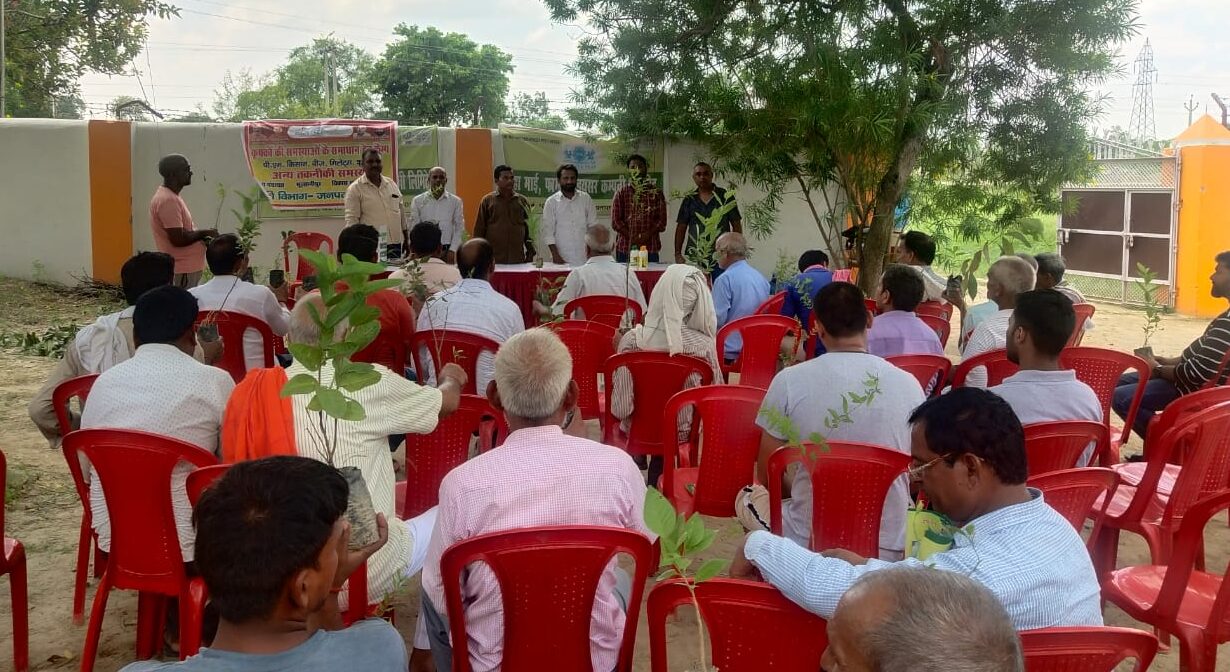
A Farmer Producer Organization helps small farmers by giving them the power of unity. When farmers work together, they can reduce input cost, improve production quality, use shared machinery, learn better farming practices, and sell produce collectively. This helps small farmers become stronger in the agriculture value chain.
Farmer Producer Organization छोटे किसानों को unity की ताकत देता है। जब किसान एक साथ काम करते हैं, तो वे input cost कम कर सकते हैं, production quality सुधार सकते हैं, shared machinery का उपयोग कर सकते हैं, बेहतर farming practices सीख सकते हैं और अपनी उपज सामूहिक रूप से बेच सकते हैं। इससे छोटे किसान agriculture value chain में मजबूत बनते हैं।
FPOs also reduce dependency on middlemen. Many farmers sell their produce immediately after harvesting because they need money and do not have storage or market information. A Farmer Producer Organization / FPO can help farmers understand market demand, store produce, negotiate better prices, and sell at the right time.
FPOs किसानों की बिचौलियों पर निर्भरता भी कम करते हैं। बहुत से किसान कटाई के तुरंत बाद अपनी उपज बेच देते हैं, क्योंकि उन्हें पैसे की जरूरत होती है और उनके पास storage या market information नहीं होती। Farmer Producer Organization / FPO किसानों को market demand समझने, produce store करने, बेहतर price negotiation करने और सही समय पर बिक्री करने में मदद करता है।
Farmer Producer Organization and Government Support
Farmer Producer Organization और सरकारी सहायता
In India, the government, NABARD, SFAC, state departments, banks, and development agencies support FPOs through different schemes. A Farmer Producer Organization can receive support for training, capacity building, equity grant, credit linkage, infrastructure development, market linkage, and business planning. This support becomes more effective when farmers are properly organized.
भारत में government, NABARD, SFAC, state departments, banks और development agencies अलग-अलग schemes के माध्यम से FPOs को support करते हैं। Farmer Producer Organization को training, capacity building, equity grant, credit linkage, infrastructure development, market linkage और business planning के लिए सहायता मिल सकती है। जब किसान सही तरीके से संगठित होते हैं, तो यह support अधिक प्रभावी बनता है।
Government schemes also become easier to implement through FPOs because one organization can connect with many farmers at the same time. A professionally managed Farmer Producer Organization can act as a bridge between farmers, government departments, banks, private companies, processors, exporters, and markets.
Government schemes को FPOs के माध्यम से लागू करना आसान हो जाता है, क्योंकि एक organization के माध्यम से बहुत से किसानों तक एक साथ पहुँचा जा सकता है। एक professionally managed Farmer Producer Organization किसानों, government departments, banks, private companies, processors, exporters और markets के बीच bridge का काम कर सकता है।
Farmer Producer Organization as a Rural Business Platform
Farmer Producer Organization एक Rural Business Platform के रूप में
A Farmer Producer Organization is not only a farmer group; it is a rural business platform. It can create business opportunities in input supply, machinery services, seed production, nursery development, food processing, packaging, branding, storage, logistics, e-commerce, and export. This creates employment opportunities for rural youth and women.
Farmer Producer Organization केवल किसानों का group नहीं है; यह एक rural business platform है। यह input supply, machinery services, seed production, nursery development, food processing, packaging, branding, storage, logistics, e-commerce और export जैसे क्षेत्रों में business opportunities पैदा कर सकता है। इससे ग्रामीण युवाओं और महिलाओं के लिए employment opportunities भी बनती हैं।
When an FPO works professionally, it can help farmers become organized producers and rural entrepreneurs. A strong Farmer Producer Organization / FPO can improve farmer income, build local brands, promote value addition, and strengthen the rural economy.
जब FPO professional तरीके से काम करता है, तो यह किसानों को organized producers और rural entrepreneurs बना सकता है। एक मजबूत Farmer Producer Organization / FPO farmer income बढ़ा सकता है, local brands बना सकता है, value addition को बढ़ावा दे सकता है और rural economy को मजबूत कर सकता है।
Conclusion / निष्कर्ष
A Farmer Producer Organization is one of the most important models for farmer development in India. It helps small and marginal farmers reduce input costs, improve market access, sell collectively, receive government support, and increase income. In the coming years, FPOs can play a major role in building a stronger, more inclusive, and more profitable agriculture system in India.
Farmer Producer Organization भारत में farmer development का एक बहुत महत्वपूर्ण model है। यह छोटे और सीमांत किसानों को input cost कम करने, market access बढ़ाने, collective selling करने, government support प्राप्त करने और income बढ़ाने में मदद करता है। आने वाले समय में FPOs भारत की agriculture system को अधिक मजबूत, inclusive और profitable बनाने में बड़ी भूमिका निभा सकते हैं।
Internal Links / आंतरिक लिंक
👉 Farmer Producer Organizations Complete Guide
https://belhamaifpo.com/farmer-producer-organisation/farmer-producer-organizations-fpos/
👉 Why Small Farmers Struggle in India
https://belhamaifpo.com/agriculture/why-small-farmers-struggle-in-india/
👉 Belha Mai Farmers Producer Company Ltd.
https://belhamaifpo.com/
👉 Agriculture Blogs by Belha Mai FPO
https://belhamaifpo.com/agriculture/
👉 Rajvi Bhog Food Products: Complete Guide
https://belhamaifpo.com/agriculture/rajvi-bhog-food-products-quality-export-guide/
External Authority Links / बाहरी महत्वपूर्ण लिंक
👉 Small Farmers’ Agribusiness Consortium — SFAC
https://sfacindia.com/
👉 NABARD — National Bank for Agriculture and Rural Development
https://www.nabard.org/
👉 Ministry of Agriculture & Farmers Welfare
https://agricoop.gov.in/
👉 Government of India — 10,000 FPO Scheme Information
https://www.pib.gov.in/
👉 Ministry of Corporate Affairs — Producer Company Registration
https://www.mca.gov.in/
Follow Belha Mai FPO for More Updates
अधिक जानकारी के लिए Belha Mai FPO को Follow करें
For more updates on Farmer Producer Organizations, agriculture development, farmer empowerment, value addition, food processing, rural entrepreneurship, and market linkage, stay connected with Belha Mai Farmers Producer Company Ltd.
Farmer Producer Organizations, कृषि विकास, किसान सशक्तिकरण, value addition, food processing, rural entrepreneurship और market linkage से जुड़ी अधिक जानकारी के लिए Belha Mai Farmers Producer Company Ltd. से जुड़े रहें।
👉 Website
https://belhamaifpo.com/
👉 Facebook
https://www.facebook.com/profile.php?id=61561043486818
👉 YouTube
https://www.youtube.com/channel/UC9ZvojoTMCa7mU1-Q_Bh60A
👉 LinkedIn
https://www.linkedin.com/in/abhay-singh-ab5568280/
👉 Instagram
https://instagram.com/belhamaifpo
Belha Mai Farmers Producer Company Ltd. is working to support farmers through better information, technology, market linkage, value addition, FPO awareness, and rural development.
Belha Mai Farmers Producer Company Ltd. किसानों को बेहतर जानकारी, technology, market linkage, value addition, FPO awareness और rural development के माध्यम से support करने के लिए कार्य कर रहा है.