Diversity of Farming in India
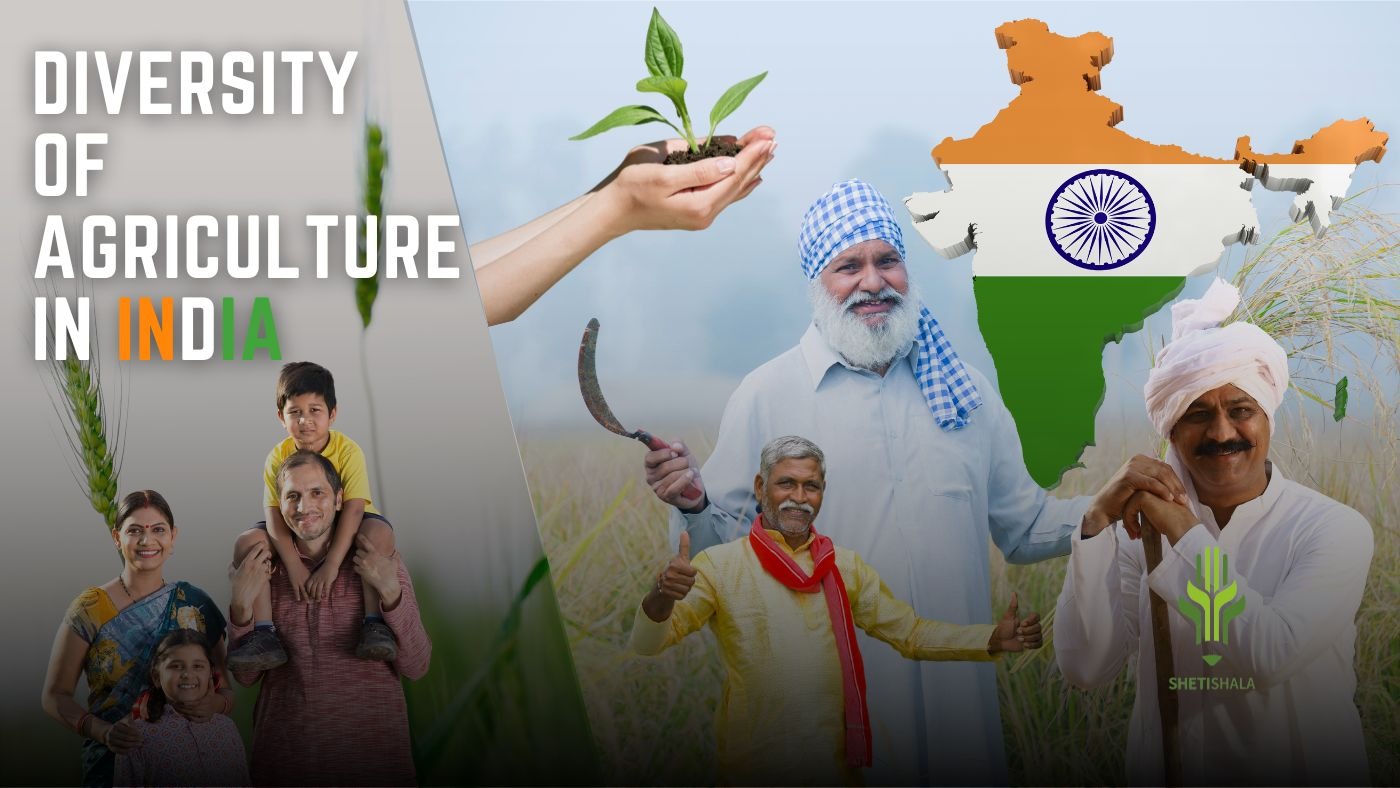
Indian agriculture is one of the most diverse in the world, shaped by vast geographical spread, varied climatic conditions, and multiple soil types. This diversity directly influences cropping patterns, farming practices, and livelihoods across regions.
Different Regions of India
India’s farming landscape differs significantly from one region to another:
- Northern Plains: Known for fertile land and extensive cultivation of wheat, rice, sugarcane, and pulses.
- Western India: Includes arid and semi-arid zones where farming depends heavily on rainfall and drought-resistant crops.
- Eastern India: Characterized by high rainfall, flood-prone areas, and rice-dominated agriculture.
- Southern India: Features mixed farming systems with crops like millets, paddy, coconut, spices, and horticulture.
- Hill and Tribal Regions: Practicing subsistence and mixed farming, often adapted to slopes and fragile ecosystems.
Each region follows cropping systems suited to its natural conditions, available water resources, and socio-economic structure.
Climatic Zones and Their Influence
India experiences multiple climatic zones, each affecting agriculture differently:
- Arid Regions: Low rainfall and high temperatures support crops like bajra, pulses, and oilseeds.
- Semi-Arid Regions: Seasonal rainfall allows cultivation of cotton, sorghum, maize, and millets.
- Tropical Regions: Warm temperatures and moderate rainfall enable multiple cropping cycles, including rice, sugarcane, and vegetables.
- Temperate Regions: Found in higher altitudes where fruits, wheat, and barley are grown.
- Coastal Regions: Humid climate supports rice, coconut, fisheries, and plantation crops.
- Hill Regions: Cooler temperatures and high rainfall favor tea, apples, spices, and terrace farming.
The climate determines cropping seasons, irrigation needs, and risk exposure to natural calamities.
Soil Types and Their Agricultural Role
Soil quality plays a crucial role in agricultural productivity:
- Alluvial Soil: Highly fertile and ideal for wheat, rice, sugarcane, and vegetables.
- Black Soil: Known for moisture retention, suitable for cotton, soybean, and oilseeds.
- Red Soil: Supports pulses, millets, and groundnut with proper nutrient management.
- Laterite Soil: Common in coastal and hilly areas, used for plantation crops with careful fertilization.
- Desert Soil: Low fertility but supports hardy crops under irrigation.
- Mountain Soil: Rich in organic matter, suitable for fruits and niche crops.
How Climate and Soil Shape Cropping Patterns
The interaction of climate and soil determines:
- Crop suitability and productivity
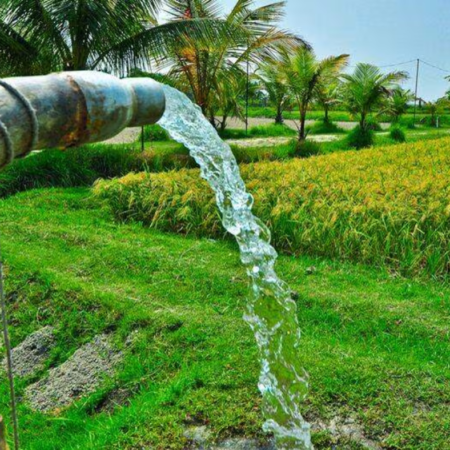
- Choice of irrigation methods
- Need for inputs and mechanization
- Seasonal cropping cycles (Kharif, Rabi, Zaid)
Farmers adapt their practices based on these natural factors to minimize risk and maximize yield.
Regional Variation in Farming Practices and Crops
- Multiple cropping in irrigated regions
- Rainfed farming in dry belts
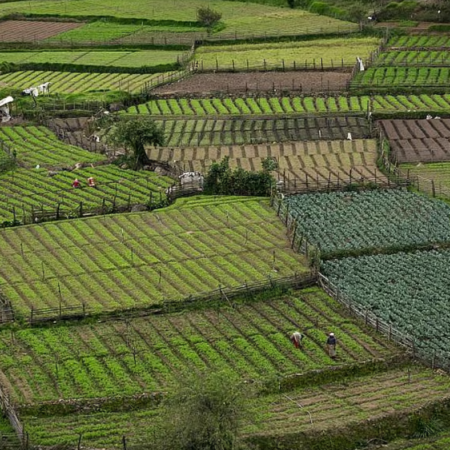
- Terrace farming in hilly areas
- Plantation and horticulture in humid regions
This regional diversity highlights why one-size-fits-all agricultural solutions do not work in India, making localized planning and support essential.