Structural Challenges in Indian Farming
Despite being one of the world’s largest agricultural producers, Indian farming continues to struggle with deep-rooted structural challenges. These issues are not limited to weather or markets alone but are embedded in land ownership patterns, infrastructure gaps, institutional limitations, and economic pressures that have persisted for decades. Understanding these structural challenges is critical to building sustainable solutions for the farming community.
Small and Fragmented Land Holdings
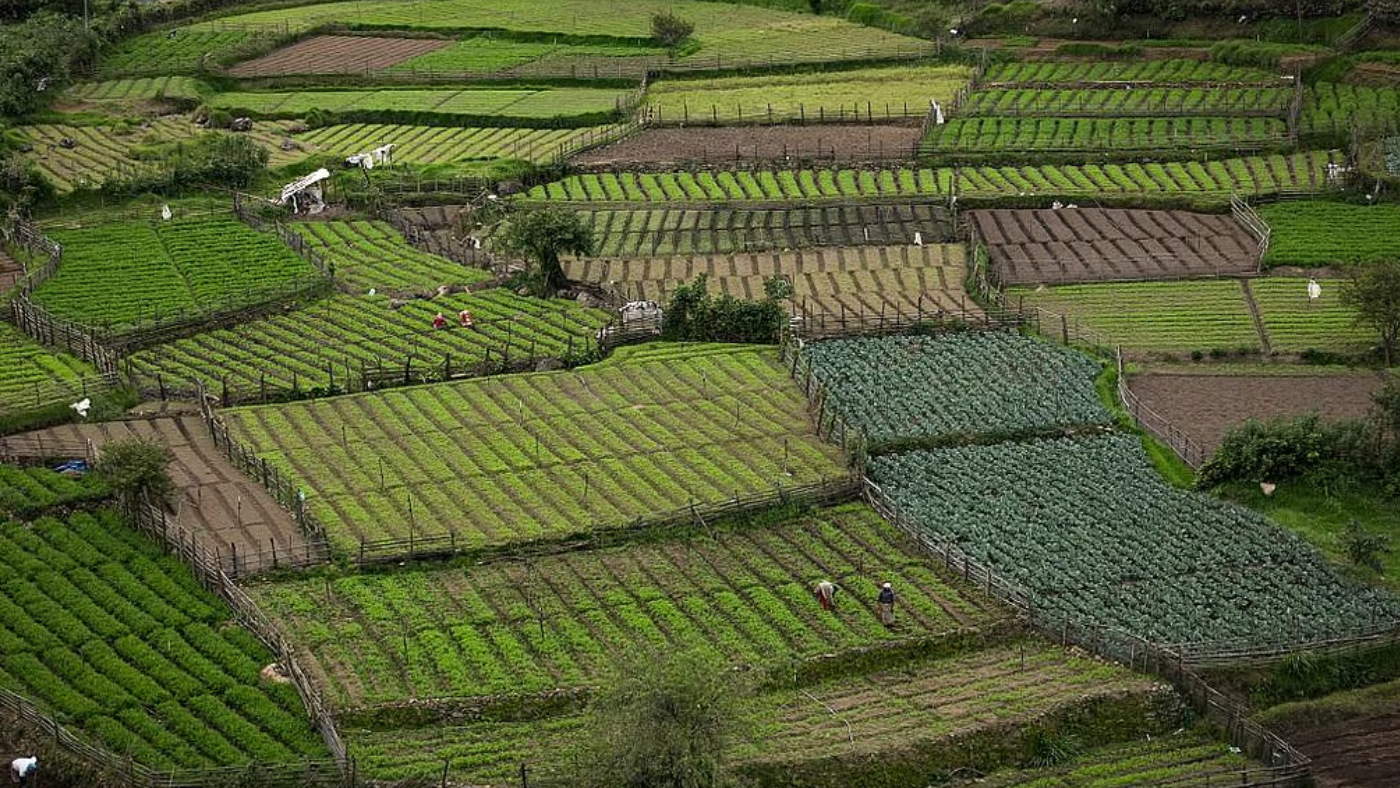
One of the most significant challenges in Indian agriculture is the dominance of small and marginal farmers.
- A large majority of farmers operate on very small land parcels.
- Continuous division of land through generations has led to fragmentation.
- Small land size limits economies of scale and efficient mechanization.
- Farmers struggle to invest in modern equipment, irrigation systems, or storage facilities.
Fragmented holdings make farming less profitable and increase per-unit costs, pushing farmers toward subsistence rather than commercial agriculture.
Dependence on Monsoon and Rainfed Agriculture
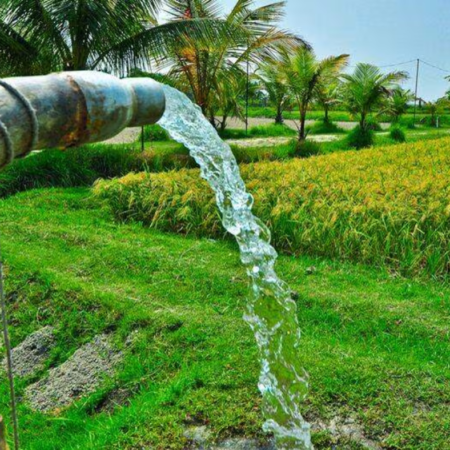
A substantial part of Indian agriculture remains rain dependent.
- Uneven rainfall leads to unpredictable crop outcomes.
- Delayed or deficient monsoons affect sowing decisions.
- Excess rainfall causes flooding and crop damage in certain regions.
- Lack of assured irrigation increases risk and income instability.
This heavy reliance on monsoon creates uncertainty and discourages long-term farm planning.
Limited Access to Affordable Credit
Access to timely and affordable finance remains a major hurdle.
- Formal banking systems often fail to reach small and tenant farmers.
- Complex documentation and collateral requirements exclude many farmers.
- As a result, farmers rely on informal lenders at high interest rates.
- Debt cycles restrict investment in quality inputs and innovation.
Without reliable credit, farmers are unable to improve productivity or adopt new practices.
Rising Input Costs and Profit Squeeze
Farmers face increasing costs while output prices remain uncertain.
- Prices of seeds, fertilizers, pesticides, and fuel continue to rise.
- Labour costs have increased due to rural-urban migration.
- Market prices often fail to reflect actual production costs.
- Delayed payments further strain farm cash flows.
This cost-price imbalance reduces farm profitability and livelihood security.
Inadequate Infrastructure and Post-Harvest Losses
Poor rural infrastructure significantly impacts farm income.
- Limited access to storage, cold chains, and warehouses.
- Inadequate rural roads increase transportation costs.
- Poor access to processing units forces distress sales.
- Post-harvest losses reduce marketable surplus and income.
Lack of infrastructure prevents farmers from capturing full value for their produce.
Market Access and Price Volatility
Farmers face significant challenges in accessing fair and stable markets.
- Dependence on local traders and intermediaries.
- Limited bargaining power at the individual level.
- Price fluctuations driven by demand, supply, and policy changes.
- Inadequate access to real-time market information.
These factors often lead to farmers selling produce at unfavorable prices.
Low Level of Mechanization and Technology Adoption
While technology exists, its adoption remains uneven.
- Small landholdings make machinery unaffordable.
- Limited awareness and technical training.
- Poor last-mile connectivity in rural areas.
- Technology often fails to suit regional conditions.
This gap results in low productivity and higher drudgery for farmers.
Labour Shortage and Changing Rural Demographics
Agricultural labour availability is declining.
- Youth migration to cities for better opportunities.
- Seasonal labour shortages during peak farm operations.
- Rising wages increase cultivation costs.
- Aging farmer population affects innovation and risk-taking.
This shift demands new labour-efficient farming models.
Institutional and Policy Gaps
Policy implementation challenges weaken farm support systems.
- Limited outreach of government schemes.
- Delays in subsidy disbursement and insurance claims.
- Lack of region-specific agricultural planning.
- Insufficient extension services at the grassroots level.
These gaps reduce the effectiveness of well-intended programs.
Social and Psychological Stress on Farmers
Structural challenges also affect farmers’ mental well-being.
- Income uncertainty and debt pressure.
- Crop failures due to climate or market risks.
- Social obligations without financial stability.
- Reduced dignity of farming as a profession.
This stress impacts decision-making, productivity, and rural stability.
The Need for Structural Transformation
Addressing these challenges requires long-term, systemic solutions:
- Strengthening farmer collectives and institutions.
- Promoting shared infrastructure and market access.
- Encouraging value addition closer to the farm.
- Integrating technology with local realities.
Indian agriculture needs transformation not just at the field level, but across the entire value chain.