Irrigation Challenges in Indian Agriculture
Water is the most critical input in agriculture, yet it remains one of the most unevenly distributed and poorly managed resources in Indian farming. Despite significant public investment in irrigation infrastructure such as canals, reservoirs, and tube wells, a large proportion of farmers continue to face water insecurity. The problem lies not only in availability but also in governance, timing, and sustainability of water use.
Dependence on Rainfall and Uneven Water Availability
Indian agriculture continues to remain heavily dependent on rainfall.
- Large areas are still rainfed and vulnerable to monsoon variability.
- Irregular rainfall disrupts sowing cycles and crop establishment.
- Excess rainfall in some regions causes floods, while others face droughts.
- Climate change has increased rainfall unpredictability.
This uneven distribution makes water planning extremely difficult for farmers. https://belhamaifpo.com/agriculture/structural-challenges-in-indian-farming/
Canal Irrigation: Infrastructure Exists, Reliability Does Not
India has one of the largest canal irrigation networks in the world, yet its effectiveness remains limited.
- Canals are present in many agricultural regions.
- Water flow in canals is highly irregular and unpredictable.
- Irrigation departments often do not follow a fixed schedule.
- Canal water availability is rarely aligned with farmers’ sowing or irrigation needs.
- Tail-end farmers are especially affected due to weak water distribution.
As a result, farmers cannot rely solely on canal systems for timely irrigation.
Groundwater Overdependence
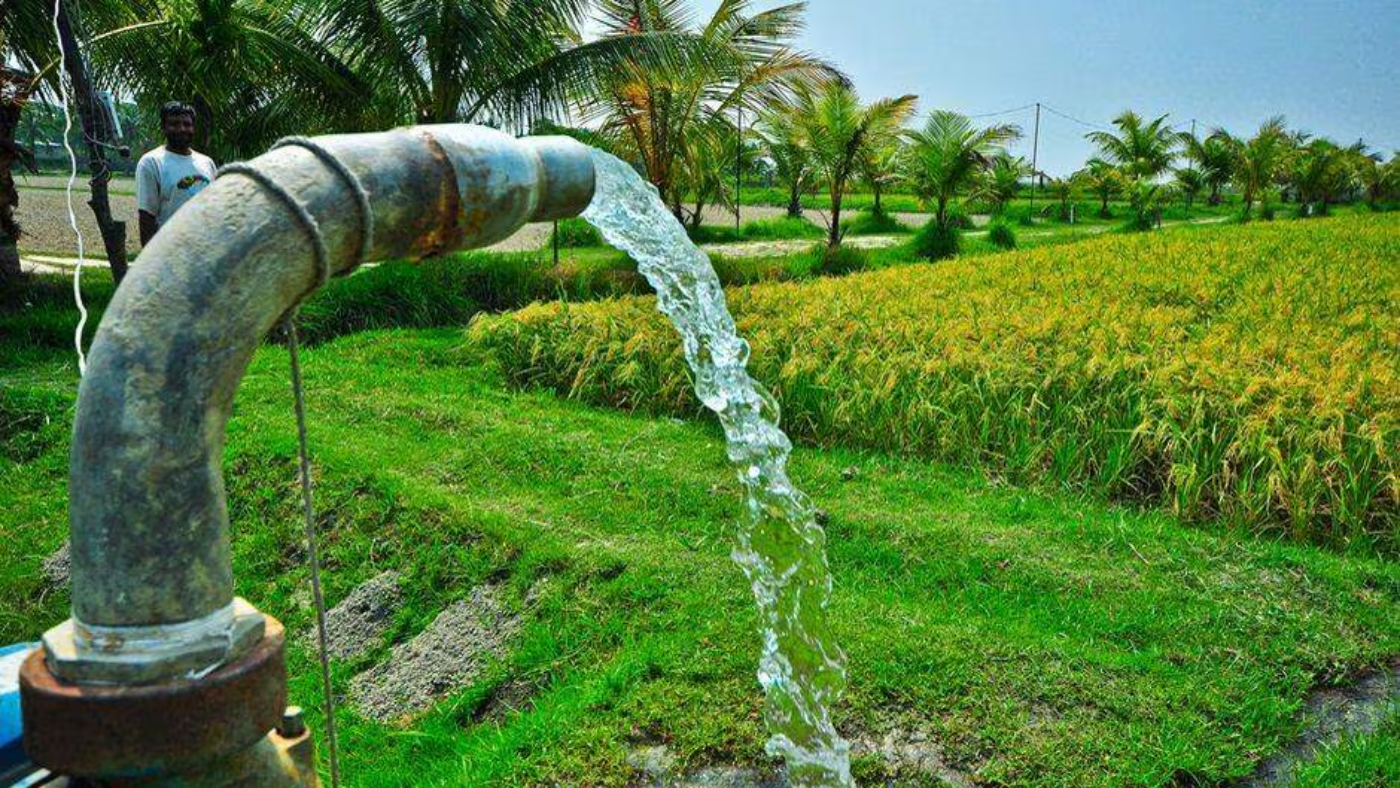
Due to the unreliability of surface irrigation systems, farmers are increasingly dependent on groundwater.
- Nearly 70% of Indian farmers rely on groundwater for irrigation.
- Tube wells and bore wells have become the primary water source.
- This has led to rapid depletion of groundwater tables.
- Rising energy costs increase the cost of irrigation.
- Small farmers struggle to afford deep bore wells.
Groundwater dependence has become both an economic and ecological crisis.
Drying of Ponds, Tanks, and Traditional Water Bodies
Traditional water storage systems that once supported farming have largely disappeared.
- Farm ponds, village tanks, and seasonal water bodies have dried up.
- Poor maintenance and encroachment have reduced water storage capacity.
- Reduced rainfall recharge worsens the situation.
- Loss of ponds forces farmers to rely entirely on groundwater.
This issue is prominently observed in Uttar Pradesh, Bihar, Punjab, Haryana, Madhya Pradesh, and Rajasthan.
Regional Water Stress Patterns
Water challenges vary across states and regions:
- Punjab & Haryana: Over-extraction of groundwater due to paddy cultivation.
- Rajasthan: Arid climate with severe groundwater scarcity.
- Madhya Pradesh: Seasonal rivers and uneven irrigation coverage.
- Uttar Pradesh & Bihar: Canal presence but irregular water supply and dried ponds.
Each region faces unique water governance and sustainability issues. http://Diversity Of Farming In India: Types, Examples & Importance
Inefficient Water Use Practices
Water usage efficiency remains low in many regions.
- Flood irrigation leads to wastage and soil degradation.
- Limited adoption of drip and sprinkler systems.
- Lack of awareness and technical guidance.
- Subsidy-driven adoption without proper training reduces effectiveness.
Improving water-use efficiency is critical for sustainability.
Institutional and Governance Challenges
Water management suffers from institutional gaps.
- Poor coordination between irrigation departments and farmers.
- Absence of demand-based irrigation scheduling.
- Limited participation of farmers in water governance.
- Slow grievance redressal mechanisms.
Without farmer-centric planning, irrigation systems fail to deliver impact.
Economic and Social Impact on Farmers
Water insecurity affects more than crops.
- Crop failure increases indebtedness.
- Irrigation costs reduce profitability.
- Stress and uncertainty discourage younger generations.
- Inequality increases between water-rich and water-poor farmers.
The Way Forward
Addressing water and irrigation challenges requires a holistic approach:
- Alignment of canal schedules with crop calendars.
- Revival of traditional water bodies and ponds.
- Community-led water management models.
- Promoting efficient irrigation technologies.
- Policy reforms focused on sustainability and farmer participation.
Water security is central to the future of Indian agriculture. Without reliable, timely, and sustainable access to water, farm productivity and rural livelihoods remain at risk.
According to the Ministry of Jal Shakti, water management is crucial for sustainable agriculture in India.
Link: 👉 https://jalshakti-dowr.gov.in
For a complete understanding of FPOs in India, read our detailed guide on FPO in India. https://belhamaifpo.com/uncategorized/farmer-producer-organizations-fpos/